
Buenos Aires · Argentina
Come hungry, leave porteño.
The Buenos Aires gastro scene, curated.
Small groups, chosen stops — the city the way you'd eat it
if you actually lived here.
scroll down to explore ↓
The Experience
One evening. One neighborhood.
Done right.
We walk through Palermo, visiting a small number of carefully chosen spots that represent the city's everyday food culture. Each stop earned its place — for the quality of its food and its role in the local dining scene. With a maximum of seven guests, it stays relaxed and personal: more like going out to eat with someone who knows the neighborhood well.
What you'll taste
La carta.
The essential flavors of Buenos Aires,
in order of appearance.
Why Nomad
Buenos Aires will feed you.
Feeding you well is our job.
There are thousands of places to eat here — which is exactly the problem.
We know which ones are worth it.
Built by insiders
We're built by people who work in this city's food scene. We know its flavors, and the stories behind them. This tour is how we show you our city.
Every stop has a reason
Nothing on this tour is here because it ranks well. Every place was put there for a reason — and we'll tell you exactly what it is.
Small groups only
A table, not a tour bus. Few enough people that you talk, taste, and argue about which stop won.
Eat like
you live here.
Google Maps will point you at the busiest parrilla.
Your driver will recommend the safest one. Both will feed you.
Neither will tell you what makes a place great.
That part takes living here — or knowing someone who does.
— the NOMAD manifesto, Buenos Aires, 2026The Tour
From first bite to last drink.
It doesn't start where you think it does —
and it doesn't end when the plates do.
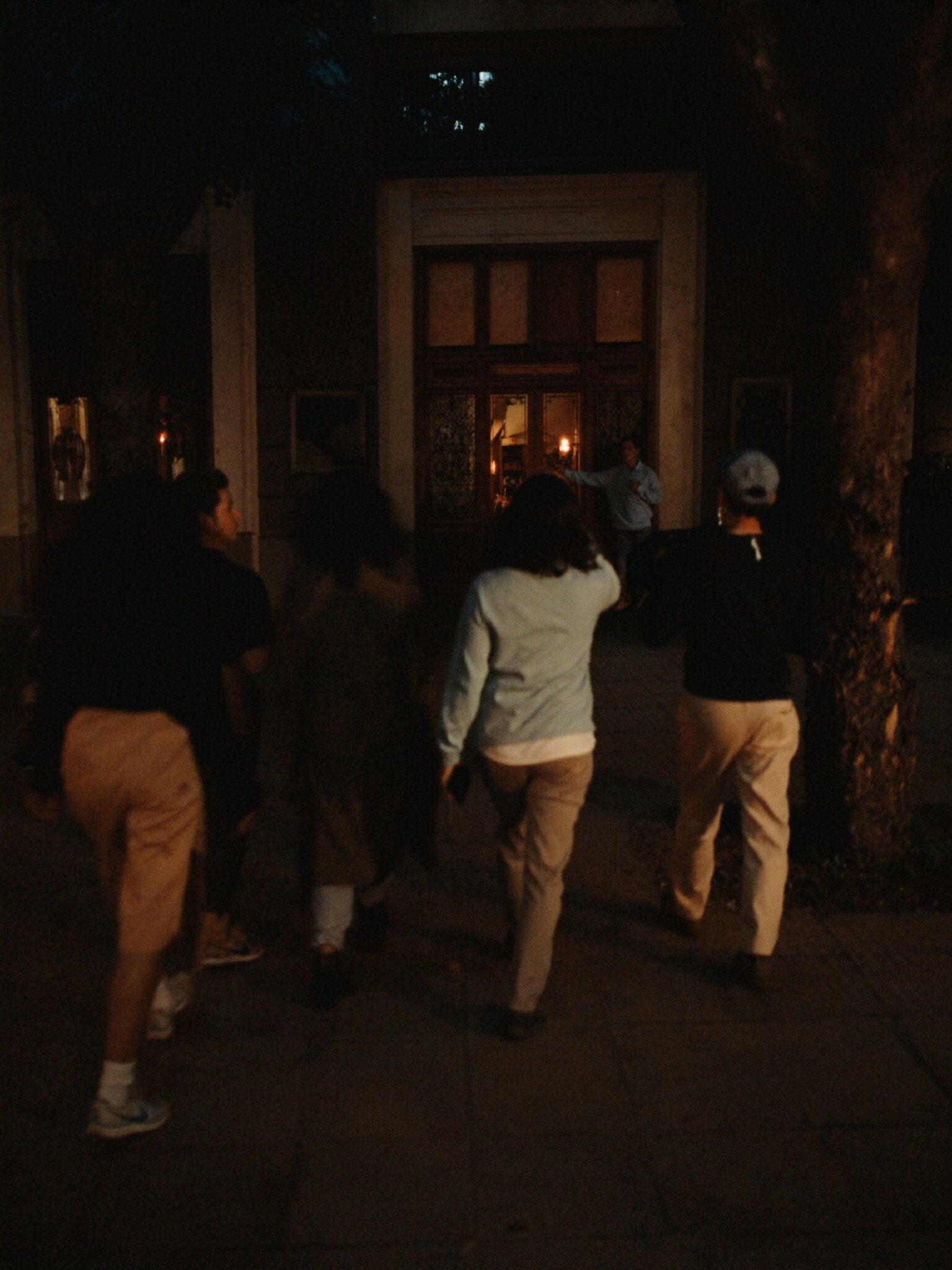
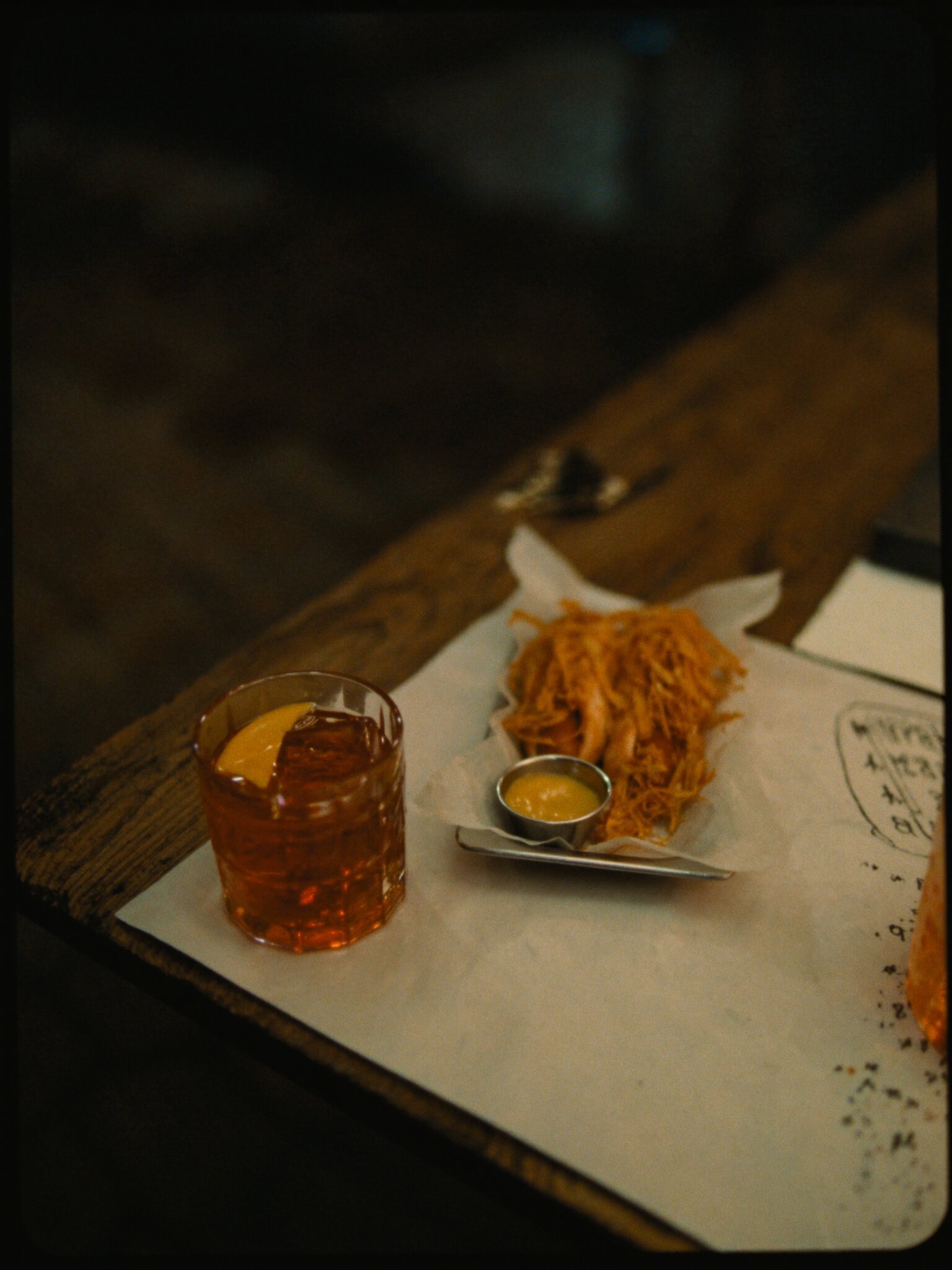
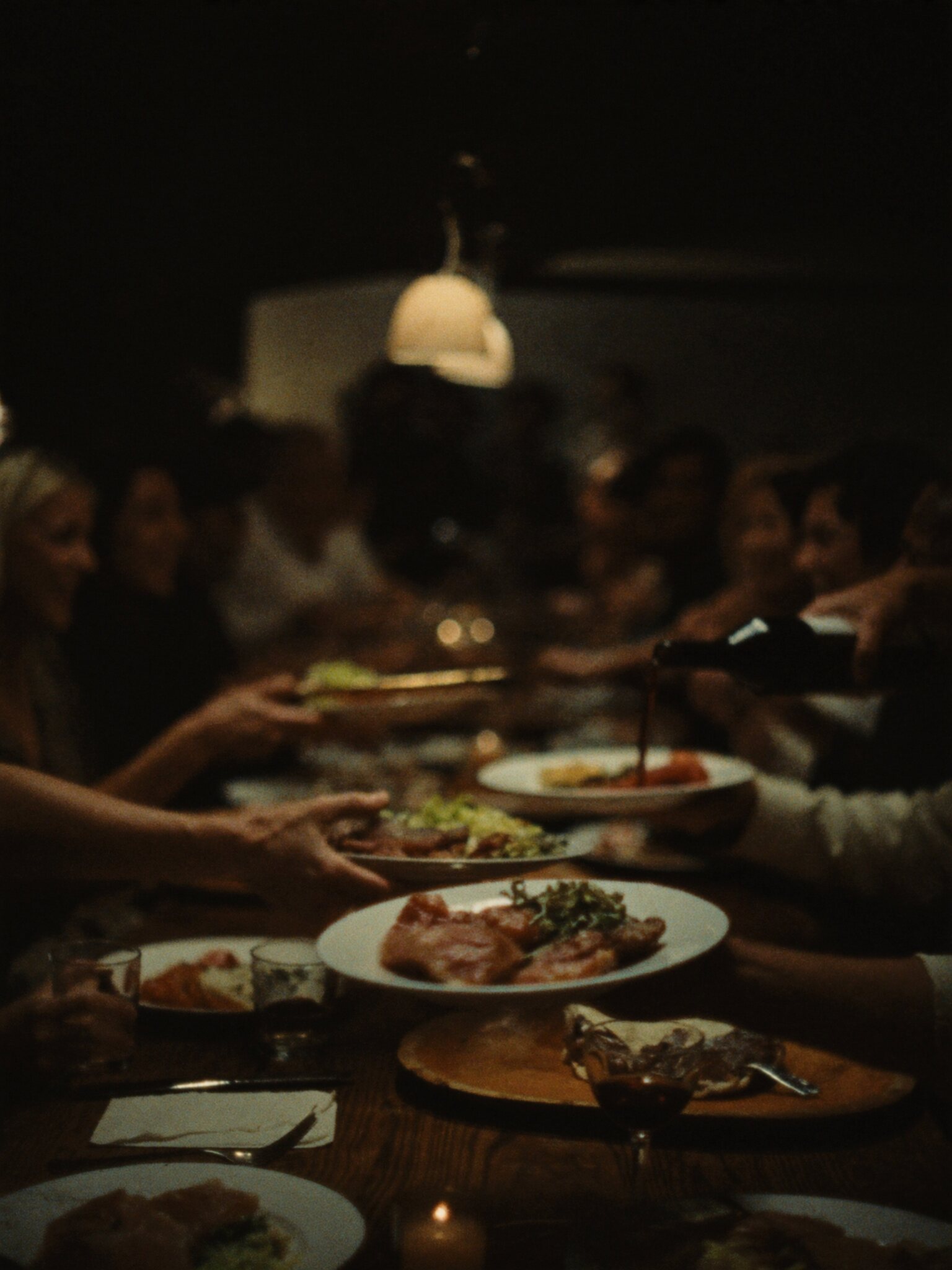
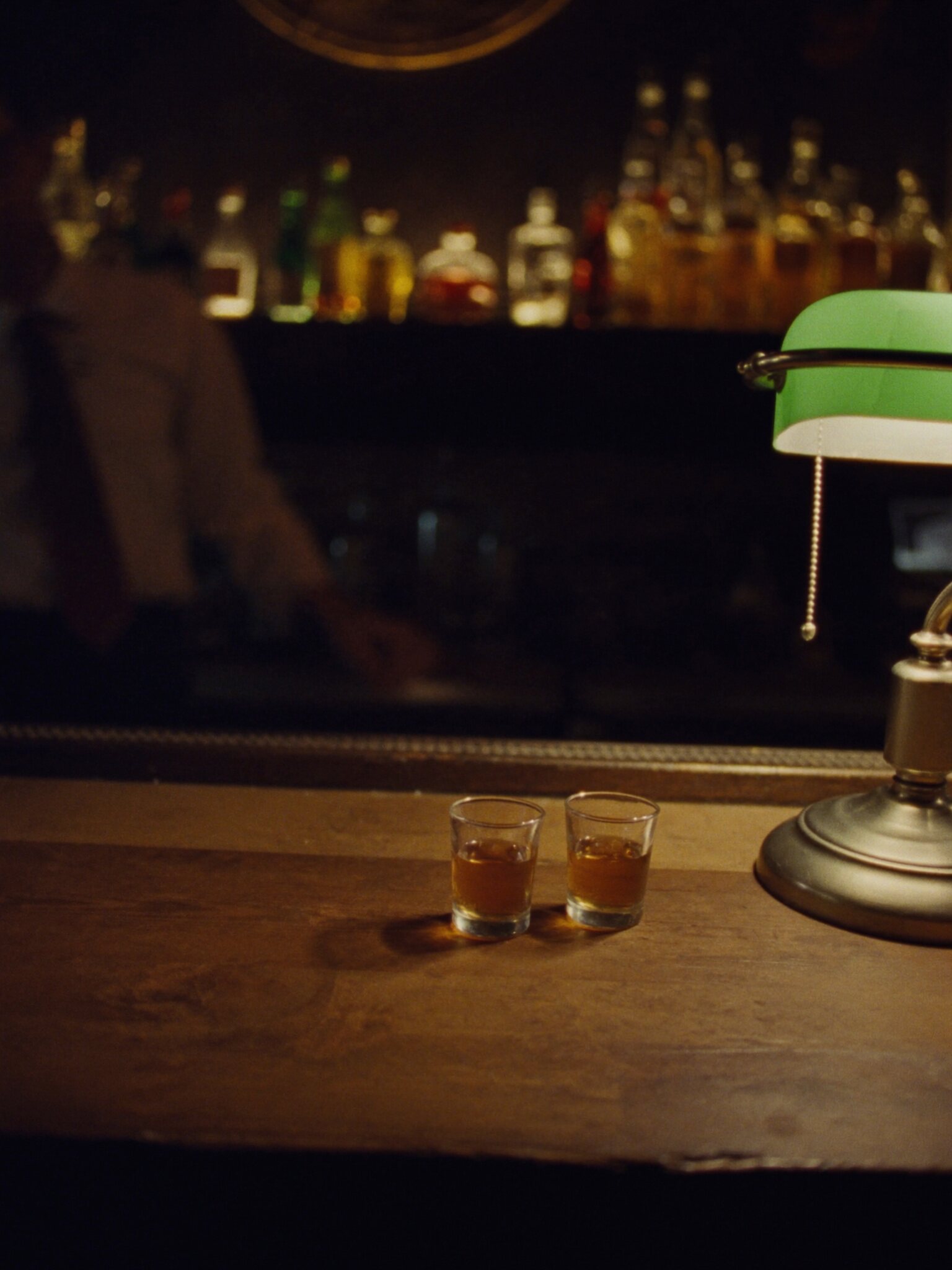
-
01
The meeting point
A quick scan of faces, a silent question — what did I sign up for? Ten minutes later, that question is gone and nobody remembers asking it.
-
02
First bites
We start where porteños actually start — not with the dish you've heard of, but with the one that explains everything that comes after.
-
03
The mesa
The main course. Plates arrive that you didn't order and won't forget. This is where the group becomes a table.
-
04
Last stop
One more place, one more treat, and the strange feeling that you've lived here longer than one evening. You leave porteño.
About Nomad
Not a list.
A point of view.
I’m Pablo. I’ve spent my working life in kitchens, from parrillas to fine dining in the Colorado mountains. Nomad is how I’d show Buenos Aires to a friend who came to visit: the places I actually eat at, and the stories that come with them.Read how we eat
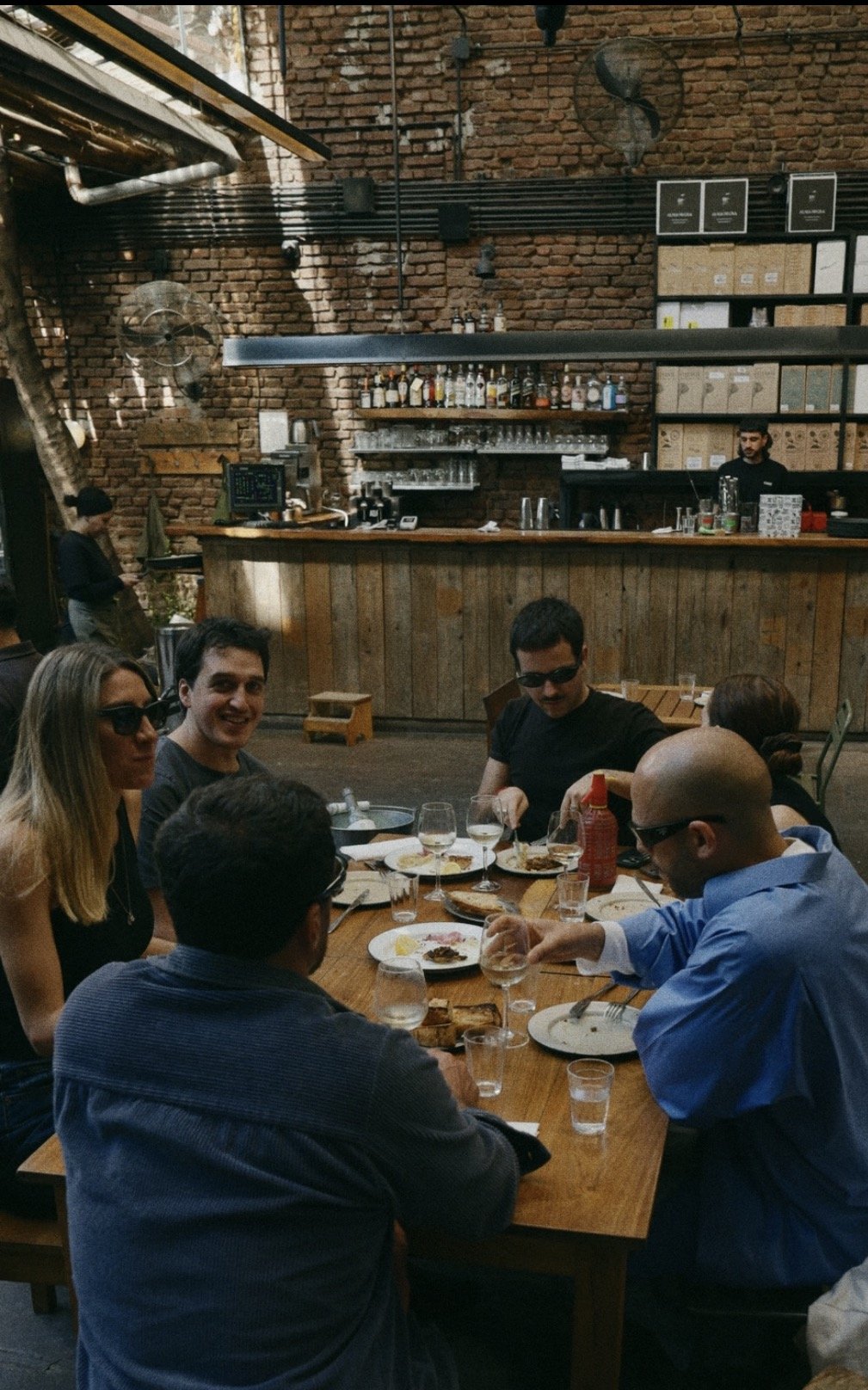
Word of mouth
"I've done food tours in six countries. This is the first one that felt like being let in on a secret."Sarah · 34 · London
"We ate things we never would have ordered — and loved every single one."Marcus · 41 · Chicago
"Our guide talked about empanadas the way sommeliers talk about wine."Chloé · 29 · Paris
"Three days later we went back to two of the stops on our own. Like locals."Daniel · 37 · Tel Aviv
"Came hungry. Left porteño. The tagline is not a joke."Emma · 31 · Sydney
Eating Buenos Aires
The Journal
Field notes on how this city actually eats —
and how not to get it wrong.
Why Most Food Tours Miss the Point +
It’s not that they’re bad.
You’ll eat. You’ll walk. You’ll be told what something is, where it comes from, why it matters. You’ll leave full, maybe even satisfied. On paper, everything works. And yet, something doesn’t land.
Most food tours are built around coverage.
They try to show you everything—as if the goal were to collect a city in a few hours. More stops, more dishes, more information. It feels efficient. Productive, even. But food doesn’t work like that. You don’t understand a place by moving faster through it. The problem isn’t the food itself, it’s the structure around it.
You’re moved from one place to another on a fixed schedule, often with just enough time to taste, listen, and move on. The experience is segmented. Each stop stands alone. Nothing has time to connect.
By the end, you’ve seen a lot. You just haven’t experienced much. There’s also the question of selection.
Most tours optimize for accessibility:
places that are easy to explain
dishes that are easy to recognize
environments that feel immediately comfortable
Nothing challenges you. Nothing asks for your attention.
And without that, everything starts to feel the same.
Then comes the narration.
Facts, dates, ingredients, short anecdotes—delivered efficiently, often well. But information isn’t the same as understanding. Knowing what something is doesn’t tell you why it matters, or how it fits into the way people actually eat.
So you remember pieces, but not the system behind them. What’s missing is intention. Not just where you go—but why, and in what order.
A meal in Argentina isn’t a sequence of highlights, it’s a progression. There’s a rhythm to it: how you start, how things build, when you slow down, when you stop. Remove that, and you’re left with fragments.
The best food experiences don’t try to show you more.
They show you what matters, and give it enough space to unfold.
They let conversations develop. They allow for pauses. They don’t rush the table to stay on schedule. And they don’t feel the need to justify every decision with an explanation.
You’re not being led through a checklist. You’re being placed inside something that already works.
And that’s the difference most tours never quite reach.
They replicate the surface of a city—its dishes, its neighborhoods, its highlights—but not the way those things connect in real life.
So you leave with information. But not with a way of seeing.
A good food tour doesn’t try to impress you at every stop.
It builds something gradually, often without drawing attention to how it’s doing it. By the time you notice, you’re already inside it—eating, talking, understanding more than you expected.
Not because you were told more.
But because you were shown what matters.
That’s the point most tours miss.
Not the food.
Everything around it.
What Most Visitors Eat (And Why You Shouldn't) +
It usually starts with good intentions.
You arrive, maybe a little hungry, maybe a little tired, and you do what makes sense: you look for something recognizable. A steak. An empanada. Something you’ve heard about before.
You order what feels right. And in most cases, it is. Just not for the reasons you think.
Most visitors don’t eat badly in Buenos Aires. They eat predictably. They follow a pattern:
order the same cuts
go to the same types of places
repeat the same meals
It works. It’s safe. It delivers what was expected.
And that’s exactly the problem.
Take steak.
The reference point is usually clear: bife de chorizo, ojo de bife. Cuts that appear on every menu, easy to identify, easy to recommend.
They’re good. But when everyone orders the same thing, something gets lost. You end up experiencing a category, not a place.
Or empanadas.
Most people try one. Maybe two. Often from somewhere convenient—on the way, between plans, without much thought. They check the box.
But empanadas aren’t a single experience. They shift depending on where you are, who’s making them, what role they play in the meal. Trying one quickly tells you almost nothing.
Then there’s the way meals are structured. Visitors tend to isolate dishes. A steak here. Dessert somewhere else. Maybe something in between. Each decision is made independently, often based on what’s nearby or what looks appealing in the moment.
Nothing wrong with that. But that’s not how eating here actually works.
Meals in Buenos Aires have a rhythm.
They build.
There’s a way things start, a way they develop, a way they slow down. Certain dishes make more sense in certain moments. Certain combinations reveal more than others.
When you remove that structure, everything becomes interchangeable.
Good, but disconnected.
Another pattern is familiarity.
When something feels slightly unfamiliar—an ingredient, a cut, a preparation—it’s often skipped in favor of something easier to understand. Which means the experience stays within a narrow range. Comfortable, but limited. None of this leads to a bad trip, though.
You’ll eat well. You’ll have moments that stand out. You might even feel like you’ve done it right. But there’s a difference between eating well and understanding how to eat well in this city.
The shift isn’t about choosing completely different foods. It’s about choosing differently.
Paying attention to:
where something fits in the meal
why a place does it the way it does
how small variations change the experience
Once you start doing that, things open up.
The same dishes feel different. The same places reveal more. Meals stop being isolated decisions and start to connect. So what should you eat instead? Not something else.
The same things—just not in the same way.
That’s where most visitors go wrong.
Not in what they choose. But in how they choose it.
Nomad Food ToursFrom First Bite to Last Drink: How the Tour Unfolds +
It doesn’t start where you think it does.
Not with the first bite, not even with the first stop—but with that brief moment of hesitation when everyone arrives and realizes they don’t quite know each other yet. There’s a pause. A quick scan of faces. A silent question: what did I sign up for?
And then it begins.
The first stop is intentional. Light, but not forgettable.
Something to ease into the rhythm—a vermouth, maybe, slightly bitter, slightly sweet, the kind of drink that resets your palate without announcing itself too loudly. There’s something small to go with it. Cheese, olives, something warm. You’re not full, not even close. That’s the point.
This isn’t about feeding you quickly. It’s about setting the pace. By the second stop, the group has shifted. People are talking now. Not in a forced way—no icebreakers, no scripted introductions—but naturally, the way conversations tend to unfold when there’s something good in front of you. Plates are shared. Someone reaches across the table without asking. It’s subtle, but it’s already happening: the table is becoming collective.
This is where you start to understand the difference.
You’re not moving through a checklist of places. You’re being guided through decisions—what matters, what doesn’t, what to pay attention to. Not everything is explained. Just enough.
Then comes the moment everything slows down. The parrilla.
You sit. Wine arrives. Not ceremonially, not with a speech—just placed on the table, opened, poured. The grill is already working somewhere in the background, out of sight. There’s no rush because there’s nothing to rush toward. This is the center of the experience, and it unfolds on its own time. Cuts arrive gradually. Not all at once.
You taste, you compare, you notice things you wouldn’t have noticed on your own. The difference between one cut and another. The way salt is used. The way heat has shaped the meat without overwhelming it. At some point, you stop analyzing. You’re just eating.
By now, something else has happened.
The group has changed shape. Conversations cross the table without effort. Someone orders another bottle without asking if anyone wants more. The structure of the evening is still there—but it’s faded into the background. This is where most people realize they’ve stopped thinking about the tour entirely. The last stop doesn’t try to compete with what came before.
It resets.
Something cold, usually. Something sweet, but not heavy. Ice cream, done the way this city does it—clean, precise, deceptively simple. Or something equally understated. Dessert here isn’t about spectacle. It’s about closing the loop.
By now, you don’t need much.
And then it ends the same way it started—quietly.
No big finish. No forced moment. People linger for a second longer than expected. There’s a brief hesitation again, but it’s different now. Numbers might be exchanged. Recommendations passed around. Someone asks where to go next. And then everyone moves on.
What stays with you isn’t just what you ate. It’s how it unfolded.
Not rushed. Not over-explained. Not designed to impress you at every turn—but to build something gradually, without drawing attention to itself.
By the time it’s over, you haven’t just tried a series of places.
You’ve experienced the city the way it actually works—through a table, over time, one decision at a time.
That’s the structure.
You just don’t notice it while you’re in it.
Why Google Maps Is Failing You in Buenos Aires +
It seems like the right tool for the job.
You open it, zoom in, type “best steak,” and within seconds you have a list—ratings, reviews, photos, distance. Everything organized, quantified, easy to compare. It feels efficient.
It also quietly pushes you in the wrong direction.
Google Maps is built to optimize for visibility.
Places that are easy to find, easy to review, easy to understand tend to rise to the top. The more people go, the more reviews they leave. The more reviews, the higher the ranking.
It’s a feedback loop. And like most feedback loops, it reinforces itself.
The problem is that eating well in Buenos Aires doesn’t always align with visibility.
Some of the places that matter most aren’t optimized for discovery. They don’t explain themselves clearly. They don’t translate easily into photos or short reviews. They don’t rely on volume.
Which means they don’t compete well in a system built on those things.
What Google Maps does well is reduce uncertainty.
It helps you avoid bad decisions.
It doesn’t necessarily lead you to the best ones.
You start to notice a pattern.
Highly rated places near central areas. Menus that are broad enough to cover multiple expectations. Reviews that repeat the same language—“great service,” “delicious food,” “nice atmosphere.”
Nothing misleading. Just… general.
And general is where things flatten out.
When a place needs to work for everyone, it becomes harder for it to stand for anything specific. Flavors adjust. Portions adapt. The experience becomes more predictable.
Again—nothing wrong.
But not particularly memorable.
There’s also the issue of interpretation.
Reviews tell you how something felt to someone else, at a specific moment, under specific conditions. They rarely tell you whether a place is good for what it’s trying to do—or whether it’s just meeting expectations.
A 4.6 rating doesn’t tell you if you’re eating well within the context of the city.
It tells you that most people were satisfied.
Then there’s timing.
Some places are excellent at certain hours and average at others. Some dishes only make sense in specific settings. None of that translates into a static rating.
The nuance disappears.
So you adjust. You look harder. You read more reviews. You compare more options.
It feels like you’re refining your decision. But you’re still operating within the same system.
The issue isn’t that Google Maps is wrong.
It’s that it’s solving a different problem. It’s designed to help you choose quickly and avoid mistakes. It’s not designed to help you understand how a city eats.
The difference is subtle. You won’t go from bad to good.
You’ll go from something that works… to something that actually makes sense once you’re inside it.
At some point, you stop needing more information.
You start needing better context.
And that’s where Google Maps reaches its limit.
Not because it fails.
But because it was never meant to do that job in the first place.
The Rhythm of Eating in Argentina +
The first thing to understand is that Argentina doesn’t organize its meals around efficiency.
If you arrive expecting structure—quick lunches, early dinners, predictable rhythms—you’ll spend your first few days slightly disoriented, checking the time more often than necessary. Nothing is late here. It just runs on a different clock.
Lunch can stretch. Dinner begins when other countries are already done for the night. Restaurants don’t rush you because turning tables isn’t the priority. Sitting is.
And that changes everything.
You don’t eat just to eat. You stay.
There’s also the matter of portions—and what they mean.
In some places, abundance is about excess. Here, it’s closer to generosity. Plates are built to be shared, even when they’re not labeled that way. You’ll notice it quickly: a table where everyone is reaching across, cutting into each other’s food without asking too much permission.
It’s not a breach of etiquette. It is the etiquette.
If you order only for yourself, you’re doing it wrong—not socially, but experientially. You’re limiting the table to a single point of view.
Breakfast, on the other hand, barely qualifies as a meal.
Coffee—usually with milk—and something small on the side. Medialunas, toast, maybe a simple pastry. No one is building a day around protein intake. It’s a pause, not a statement.
If you’re used to heavier breakfasts, you’ll adjust. Or you’ll compensate later, which is what most people end up doing without realizing it.
Then there’s dinner.
Late, by almost any standard.
Nine is early. Ten is normal. Eleven isn’t unusual. What matters is not just when it starts, but how it unfolds. There’s no urgency to get through it. Courses arrive when they’re ready, not when you expect them. The table fills slowly.
Wine isn’t ordered strategically. It’s opened.
And once it is, the night extends naturally around it.
Service follows the same logic.
No one is interrupting your conversation every five minutes to ask if everything is okay. It’s assumed that it is—unless you say otherwise. If you need something, you ask. Until then, you’re left alone.
For some visitors, this feels like neglect.
It isn’t.
It’s respect for the table as its own space, not something to be managed.
You’ll also notice that not everything is optimized for variety.
Menus repeat themselves across the city. The same cuts, the same sides, the same desserts. At first, it can feel limited. Then you realize it’s intentional.
Argentina doesn’t try to be everything. It goes deep on a few things and lets them speak for themselves.
The differences are subtle: how a place grills, how it seasons, how it times the fire. You start to pay attention to those details because there’s nothing else distracting you.
And then there’s the rhythm that ties it all together.
You don’t plan your day around meals here.
Meals shape the day.
Lunch might extend into the afternoon. Dinner might erase the idea of an early night entirely. Plans bend around the table without much resistance. That’s not a lack of structure—it’s a different priority.
Time is flexible. The experience isn’t.
By the time you’ve adjusted, something shifts.
You stop checking the clock.
You stop thinking about what comes next.
You start letting the meal take its full shape.
And once that happens, you’re no longer just eating in Argentina.
You’re eating the way Argentina does.
A Note on Eating Meat in this City +
There’s a moment, somewhere between the first sip of red wine and the arrival of a plate you didn’t order, when you realize Argentina isn’t trying to impress you. It doesn’t have to.
Beef here isn’t a performance. It’s a given.
If you come looking for the “best steak,” you’ll probably find it. White tablecloths, curated wine lists, waiters who speak just enough English to guide you toward the safe choices. And you’ll eat well. But you’ll miss the point entirely.
Because the real thing—the version locals actually care about—lives somewhere else.
It’s in neighborhood parrillas where the grill has been running longer than some countries have had stable governments. Where the menu is either too long or doesn’t exist at all. Where cuts arrive in an order that makes sense only after your third glass of Malbec. No one explains it to you, and no one needs to.
You don’t start with steak.
You start with something that feels like a test. Maybe a provoleta—melted cheese blistered at the edges, oregano cutting through the fat. Or a morcilla, dark and soft, with a sweetness you weren’t expecting. If you’re paying attention, this is where you calibrate your expectations. Argentina isn’t about lean precision. It’s about depth, about letting things be what they are.
Then comes the ritual.
The asado doesn’t rush. Cuts arrive one at a time, not because the kitchen is slow, but because this is how it’s meant to unfold. You eat, you talk, you drink. The grill is doing its job in the background, quietly, without theatrics. When the meat hits the table, it doesn’t need explanation. Salt, fire, time—that’s the entire philosophy.
And here’s the part most people get wrong: don’t chase the “premium” cuts.
Yes, the bife de chorizo is excellent. The ojo de bife too. But Argentina reveals itself in the less obvious places—vacío, with its uneven texture and deep flavor; entraña, thin and intense; tira de asado, where bone and fat do most of the talking. These aren’t upgrades or alternatives. They’re the point.
You don’t ask for sauces. You don’t need them.
At most, there’s chimichurri—bright, acidic, almost sharp enough to reset your palate. Use it sparingly. This isn’t about masking anything. It’s about contrast.
And if you’re thinking about doneness, keep it simple. The sweet spot here leans closer to medium than rare. Not because they don’t know better, but because the meat—and the way it’s cooked—demands it. Trust that.
What you’re really doing, whether you realize it or not, is stepping into a system that’s been refined over generations without ever becoming self-conscious. No one here is trying to reinvent beef. They’re just very, very good at not messing it up.
By the time dessert shows up—usually something understated, like flan with dulce de leche—you’ve stopped analyzing. You’re just there, full in a way that has less to do with quantity and more to do with having understood something you couldn’t quite articulate before.
That’s how you eat meat in Argentina.
Not by finding the best place.
But by recognizing when you’ve stopped looking.
Nomad Food ToursEmpanadas: Why Everyone Gets Them Wrong +
It looks simple enough.
Dough. Filling. Fold. Bake or fry. Eat. And that’s exactly why most people get it wrong. The mistake usually starts before the first bite, you order one—or two—thinking of them as a snack, something small to hold you over until the “real” meal arrives. Maybe you pick the safe option: beef. Maybe ham and cheese. Something familiar.
They show up. You eat them quickly.
And just like that, you’ve reduced one of the most deeply rooted foods in Argentina to something interchangeable.
Empanadas aren’t fast food.
They can be eaten quickly, yes. On a street corner, standing up, between places. But that’s not what defines them. What matters is not speed—it’s variation.
There is no single empanada.
Each region has its own version, its own logic:
Some are juicy to the point of collapse
Others are tighter, more structured
Some carry sweetness where you don’t expect it
Others lean heavily on spice, or fat, or dough
Even within Buenos Aires, what you’re eating changes depending on who’s making them—and why.
And then there’s the filling. The beef empanada people expect—the one they think they know—is usually the wrong reference point. It’s often imagined as minced meat, uniform, predictable. But a proper one doesn’t behave like that.
It has texture. Variation. Sometimes hand-cut beef instead of ground. Pieces of onion that haven’t disappeared into the mix. Maybe egg. Maybe olives. Occasionally raisins—controversial, but intentional. Nothing is there by accident.
The real difference, though, is harder to see. It’s in the balance:
Too dry, and it fails immediately.
Too wet, and it collapses.
Too seasoned, and it becomes noise.
Too mild, and there’s nothing to remember.
The good ones sit right in the middle—where everything holds together, but nothing disappears.
Most visitors never notice any of this.
They try one or two. Maybe from a place that looks convenient. Maybe from somewhere recommended online. And then they move on, thinking they’ve checked the box. Empanadas? Done.
But that’s like saying you’ve understood wine after one glass.
There’s also the question of when to eat them. Before a meal. During. Late at night. After a few drinks. They fit everywhere, but they behave differently depending on the moment. What feels like a quick bite at noon becomes something else entirely at midnight. Same food. Different role.
And then, quietly, without making a big deal about it, they start to make sense.
You notice which ones you prefer.
You recognize small differences.
You start ordering more than you planned.
Not because you’re hungry—but because now you’re paying attention. That’s when you realize the mistake wasn’t choosing the wrong place. It was thinking there was a “right” empanada to begin with. There isn’t.
There’s just the process of learning how to eat them.
And most people stop too early.
Nomad Food ToursWhat to Expect on a Food Tour in Buenos Aires +
Most people don’t ask this question directly.
They ask versions of it—how long it lasts, how much you’ll eat, how far you’ll walk. Practical things. Necessary, but not quite the point.
What they’re really trying to understand is simpler:
What is this actually going to feel like?
It starts slowly.
You arrive, usually without knowing anyone else. There’s a brief moment of distance—people adjusting, looking around, figuring out where they fit. No one forces it. No introductions that feel rehearsed.
Then the first drink lands on the table, and things begin to shift.
You won’t be rushed.
This is probably the first thing that feels different.
There’s a structure, yes—but it doesn’t feel like one. Stops don’t exist as isolated moments. They build on each other. What you eat early on prepares you for what comes later, even if you don’t notice it at the time.
You’re not being moved through a schedule.
You’re being guided through a progression.
You will walk—but not in a way that defines the experience.
Distances are manageable. Streets are part of the rhythm, not an obstacle between places. The movement gives space for things to settle—conversations, flavors, impressions.
By the time you arrive somewhere new, you’re ready for it.
You will eat more than you expect.
Not in a heavy, overwhelming way—but in a steady accumulation that catches up with you gradually. A bite here, a plate there, something shared, something personal.
There’s no single moment where it becomes “a lot.”
And then, suddenly, it is.
The group matters more than you think.
At the beginning, it’s just a group of people.
By the middle, it’s a table.
That shift happens quietly. No one announces it. It’s the result of time, of shared plates, of the natural way food lowers distance between strangers.
You don’t have to participate in a certain way.
But you will be part of it.
You won’t be told everything.
Some things are explained—what you’re eating, why it matters, what to notice. But not constantly. Not in a way that interrupts the experience.
The goal isn’t to give you information at every step.
It’s to give you just enough to start seeing things differently.
There’s a moment where you stop thinking about the tour.
It usually happens somewhere in the middle.
You’re eating, or talking, or listening—and the structure disappears. You’re no longer evaluating, comparing, trying to keep track of what comes next.
You’re just there.
That’s when it’s working.
By the end, you’re full—but that’s not what stays with you.
It’s the sense that you’ve moved through the city in a way that would have been difficult to access on your own. Not because the places were hidden, but because the order, the pacing, the context—those are harder to find.
If you’re expecting a checklist of dishes, you’ll get something else.
If you’re expecting to be guided, you will be.
But not in a way that feels controlled.
More like being shown how things work—then allowed to experience them as they are.
That’s what to expect.
Not just more food.
A different way of moving through it.
Nomad Food ToursIs a Food Tour in Buenos Aires Worth It? +
It depends on what you expect it to do.
If you’re thinking of it as a way to eat a lot in a short amount of time, then probably not. Buenos Aires makes that easy on its own. You can walk into almost any parrilla, order well enough, and leave satisfied.
You don’t need a tour for that.
If you’re thinking of it as a shortcut to the “best places,” that’s also not quite it.
Most of the places you’ll visit aren’t hidden. They’re not behind unmarked doors or reserved for insiders. You could find many of them on your own, eventually.
That’s not what you’re paying for.
What you’re really deciding is something else.
Whether you want to figure it out yourself, or step into something that’s already been figured out.
Doing it on your own has its appeal.
You build your own list. You follow recommendations. You adjust as you go. Some meals will be excellent. Some will be forgettable. Over time, you start to understand the city through trial and error.
There’s value in that.
A food tour compresses that process.
Not by showing you more—but by removing the parts that don’t matter.
You don’t spend time choosing the wrong place. You don’t have to guess what to order. You don’t have to interpret whether something is good for what it is, or just good enough.
Those decisions have already been made.
That doesn’t mean it’s better.
It means it’s different.
The real advantage isn’t access.
It’s context.
You start to see patterns—how meals are structured, why certain dishes appear when they do, what separates something average from something worth your time. Things that would take multiple meals to notice on your own begin to make sense within a few hours.
Not because more is explained.
Because more is placed correctly.
There’s also the question of time.
If you’re in Buenos Aires for a week or more, you might prefer to build your own understanding gradually. There’s enough here to support that.
If you’re here for a few days, the margin for error is smaller. One or two wrong decisions can shape the entire experience more than you expect.
A tour reduces that risk.
And then there’s something less obvious.
A good food experience here depends on rhythm—how things unfold over time, not just what you eat. That’s hard to reconstruct on your own, especially if you’re moving through unfamiliar neighborhoods, menus, and customs.
A tour doesn’t just take you to places.
It orders the experience.
So is it worth it?
If you’re comfortable navigating uncertainty, making your own decisions, and accepting that some of them won’t land, then maybe not.
If you’d rather step into a version of the city where those decisions have already been refined—where the sequence, the pacing, and the context are working in your favor—then yes.
Not because you can’t eat well without it.
But because it changes how you understand what “eating well” actually means here.
Nomad Food ToursWho Should Take a Food Tour (And Who Shouldn't) +
Not everyone needs a food tour.
That’s worth saying upfront.
You can land in Buenos Aires, walk into a parrilla, order something that sounds familiar, and eat well. You can follow ratings, lists, recommendations. You won’t starve. You might even have a few very good meals.
So the question isn’t can you do it on your own?
You can.
The question is what kind of experience you’re actually looking for.
A food tour makes sense if you care about how you’re eating—not just what you’re eating.
If you want to understand why certain places matter, why some dishes are treated differently, why timing and order change the experience, then having someone shape that for you changes everything.
Not because the information is hidden.
Because the context is.
It’s also for people who don’t want to spend their trip figuring things out.
You can research for hours. Build lists. Compare options. Try to decode what’s actually worth your time.
Or you can step into something already structured—where those decisions have been made carefully, and tested repeatedly.
Not perfect.
But intentional.
It helps if you’re comfortable letting go of control.
You won’t choose every dish. You won’t set the pace. You won’t optimize the route.
If that’s important to you—if you’d rather decide everything yourself, adjust in real time, change direction whenever you feel like it—then a food tour might feel restrictive.
And that’s fine.
It’s not for people looking for speed.
If your goal is to “cover” as much as possible—to see the most, try the most, move quickly—this won’t match that.
A good food experience here isn’t built on volume.
It’s built on sequence.
It’s also not for people who want a performance.
There’s no script being delivered at every stop. No attempt to entertain you constantly. No effort to make every moment feel like a highlight.
If you expect that, you might find this quieter than anticipated.
Less obvious.
On the other hand, it tends to work very well for people who travel with a certain mindset.
People who:
care about choosing well, not just choosing more
notice small differences in quality, not just categories
enjoy sitting at a table longer than planned
prefer being guided by someone who understands the system
You don’t need to know anything in advance.
You just need to be open to paying attention.
There’s also a practical side.
If you’re short on time, this compresses a lot into a single experience—without feeling compressed. You cover ground, but in a way that still feels like a meal, not a checklist.
If you’re traveling alone, it gives you a table to sit at without having to look for one.
There’s also something else that tends to happen, whether you’re looking for it or not.
You spend a few hours at a table with people who arrived the same way you did—without knowing anyone else. Somewhere along the way, that changes. Conversations start to cross the table. Someone orders another bottle. By the end, it doesn’t feel like a group anymore.
Not something you signed up for. Just something that happens.
If you’re with someone else, it changes the dynamic—you’re sharing something structured, rather than navigating decisions together.
And then there are people who shouldn’t take one.
If you already know exactly where you want to go, what you want to eat, and how you want to move through the city—there’s no reason to outsource that.
If you prefer wandering without any framework, discovering things randomly, accepting the hits and misses as part of the experience—this might get in the way.
If you’re only interested in ticking off dishes—empanadas, steak, ice cream—without caring much about where or why, you’ll get what you want faster on your own.
A food tour isn’t about access.
Most of the places you’ll visit are open, visible, easy to walk into.
What changes is the way you move through them.
So who should take one?
Not people who need help finding food.
People who want to understand how to choose it.
And who shouldn’t?
People who already think they do.
Nomad Food ToursThe Tourist Traps You Don't Realize Are Tourist Traps +
They don’t look like traps.
That’s the point.
No one is standing outside trying to pull you in. No one is promising the “best meal of your life.” In fact, most of these places look exactly like what you’re hoping to find—busy, well-lit, full of people, with menus that seem to cover all the bases.
You walk in thinking you’ve made a good decision. And in a way, you have. You’ll eat. It won’t be terrible. You might even enjoy it. But something is off.
Tourist traps here don’t announce themselves through low quality. They hide behind adequacy.
Food that’s good enough. Service that works. Atmosphere that feels familiar. Nothing goes wrong—but nothing really lands either. You leave without complaints. You also leave without remembering much.
One of the easiest ways to end up there is by following visibility.
Places that sit in the center of everything—on major streets, near landmarks, in areas designed to be navigated easily by visitors. They’re convenient. Predictable. You don’t have to think too much before walking in.
That convenience comes at a cost.
Menus become broader. Flavors become safer. The goal shifts from doing something well to doing something that works for everyone. And when everything works for everyone, very little stands out.
Another version is the place that looks “traditional.” Wooden interiors. Old photos on the walls. Waiters who move with a certain rhythm. It feels established, almost timeless. Sometimes it is. Other times, it’s a version of tradition that’s been preserved just enough to be recognizable—but adjusted to meet expectations rather than maintain standards.
The form remains. The intent shifts.
Then there’s the recommendation loop. Online lists, maps, rankings. Places that appear over and over again, reinforced by volume rather than precision. You start to see the same names repeated, and repetition begins to look like validation.
It isn’t always. High visibility often means consistency at scale. And consistency at scale tends to favor reliability over character.
Again—nothing wrong, but not necessarily worth your time.
The underlying pattern is subtle. These places aren’t trying to deceive you. They’re trying to work for as many people as possible. That’s what makes them appealing—and what limits them at the same time.
Good places here don’t always signal themselves clearly. They’re not optimized to be found quickly. They’re not designed to explain themselves at a glance. You might walk past them without noticing. You might hesitate before going in. They require a bit more attention. A bit more trust.
This is where most visitors run into trouble. Not because they choose badly—but because they choose logically.
They look for:
high ratings
central locations
menus that feel familiar
places that seem easy to understand
All reasonable decisions. And all of them pointing in the same direction.
The difference isn’t dramatic. You won’t go from a bad meal to a great one. You’ll go from something that works… to something that stays with you. Tourist traps, in this sense, aren’t about being fooled. They’re about settling without realizing it.
And the only way to avoid them isn’t by looking harder.
It’s by knowing what to ignore.
Nomad Food ToursPostcards from the walk
drag sideways →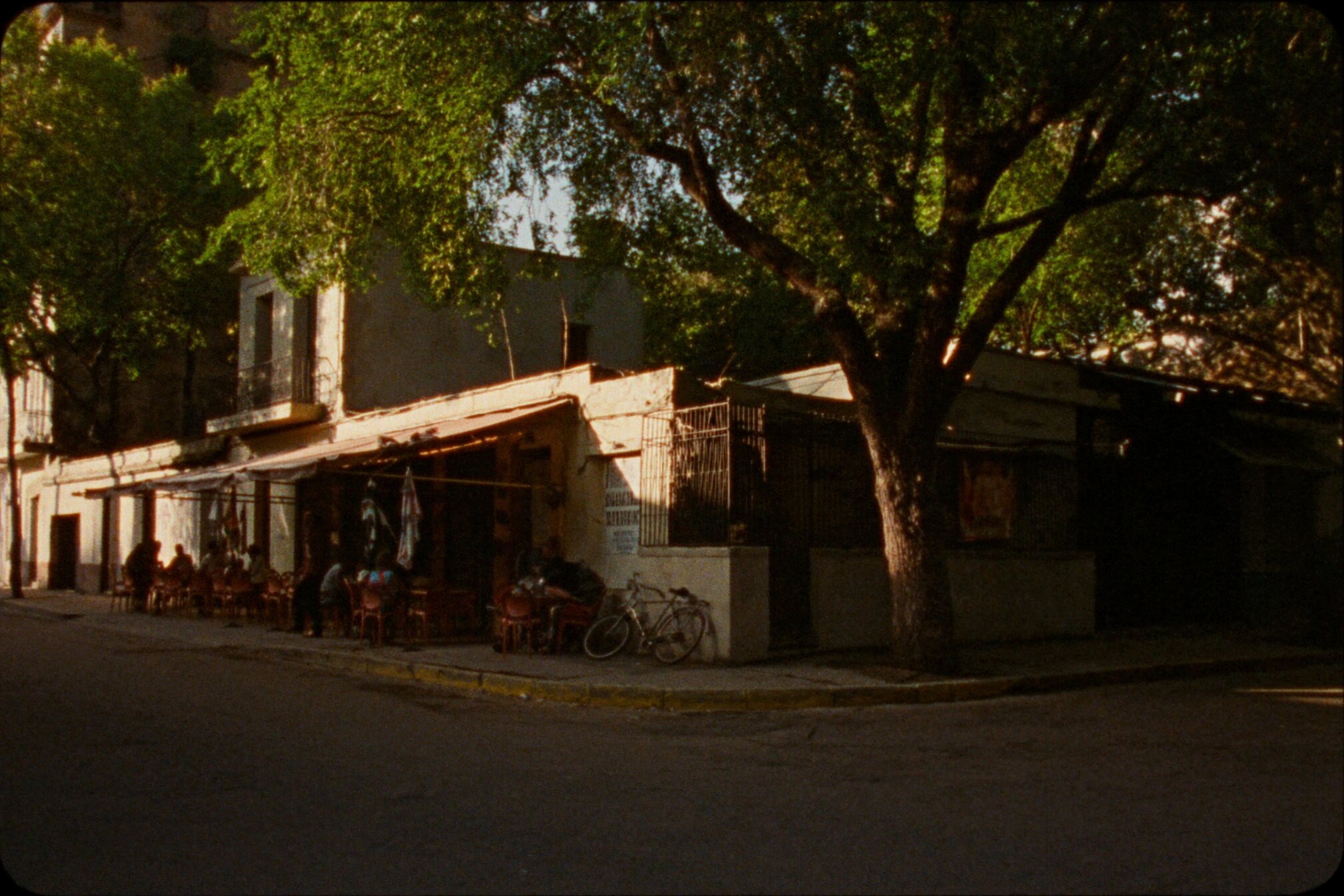 Palermo Soho, 7 pm
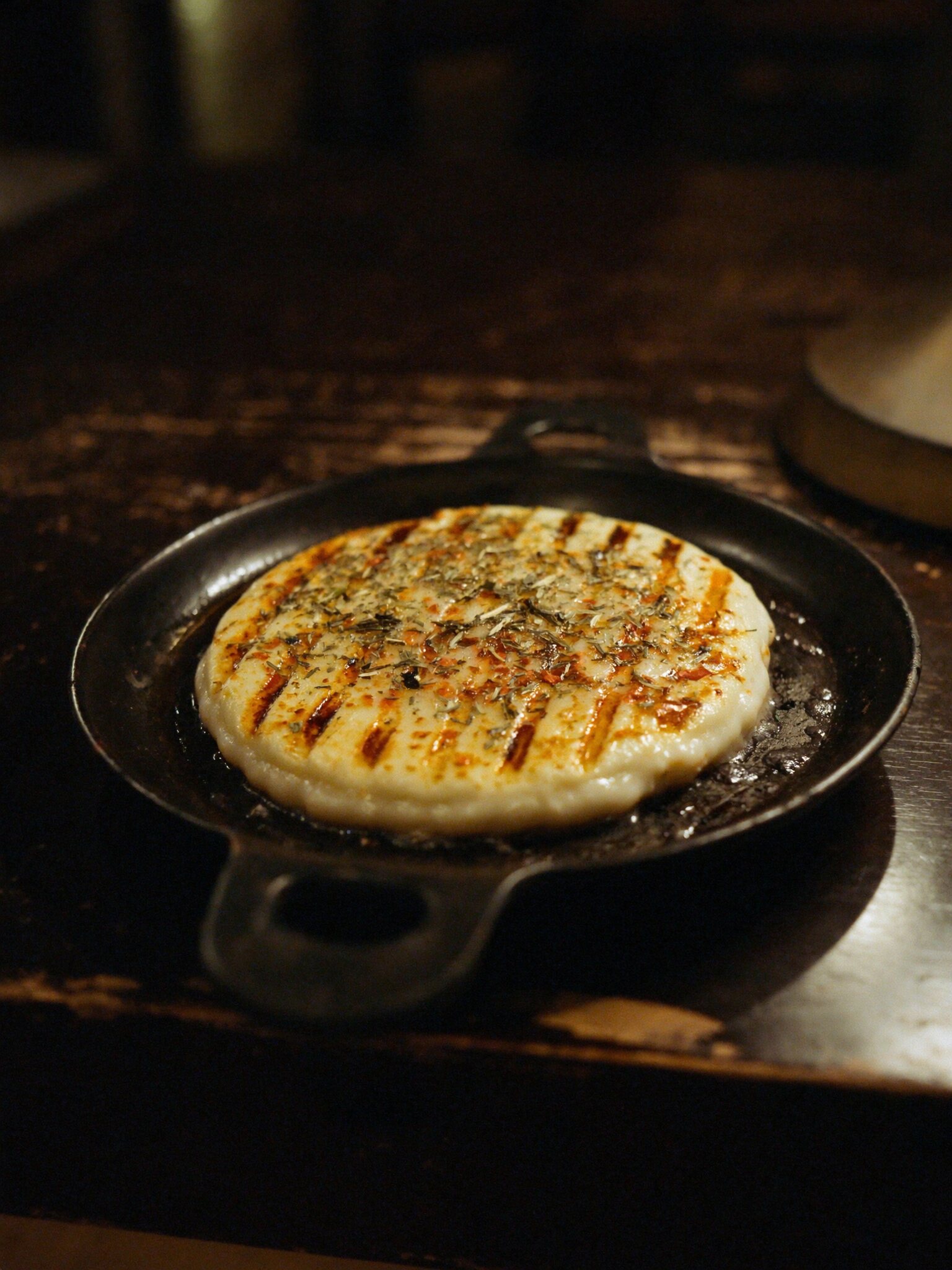 Provoleta, mesa 4
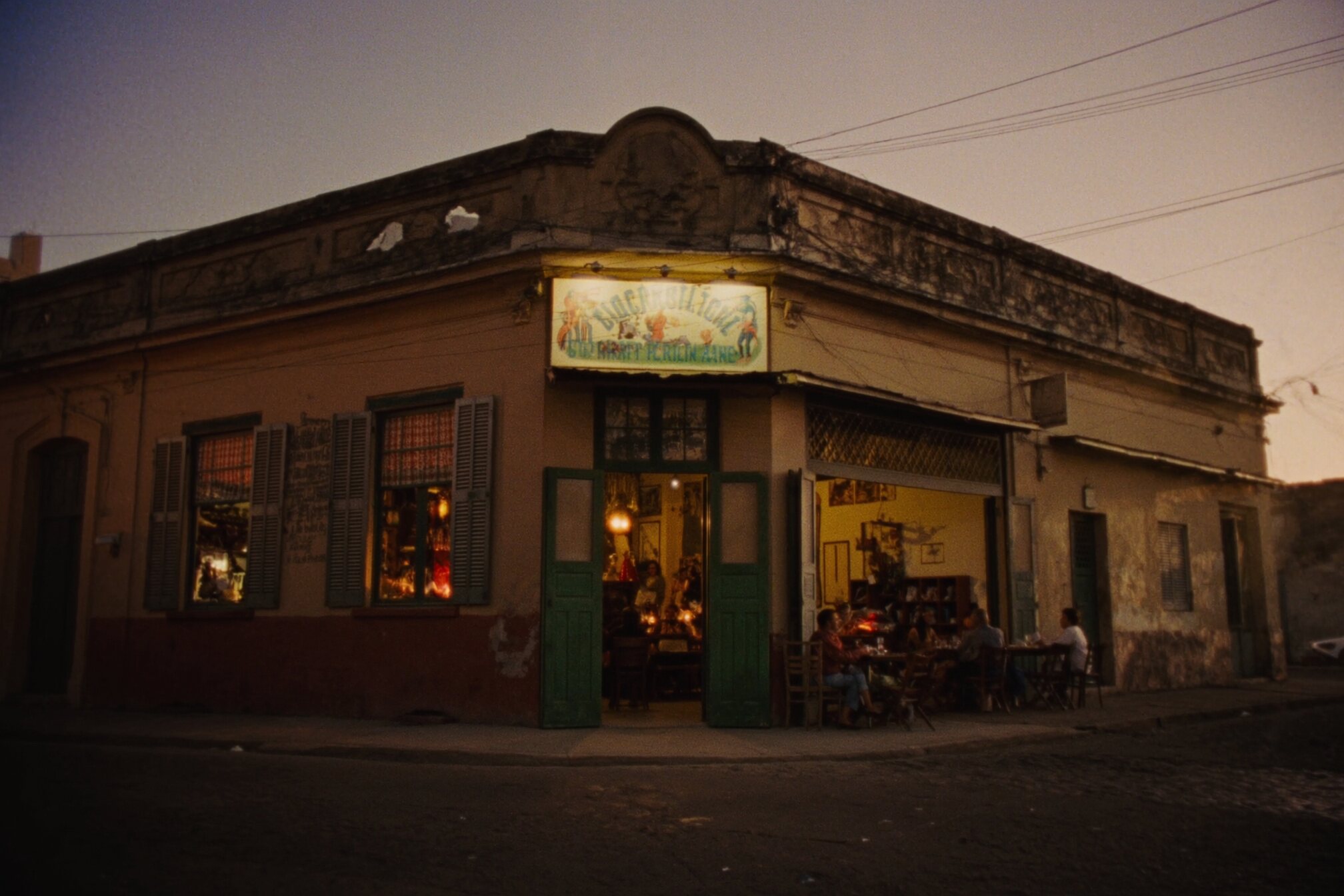 El bodegón de siempre
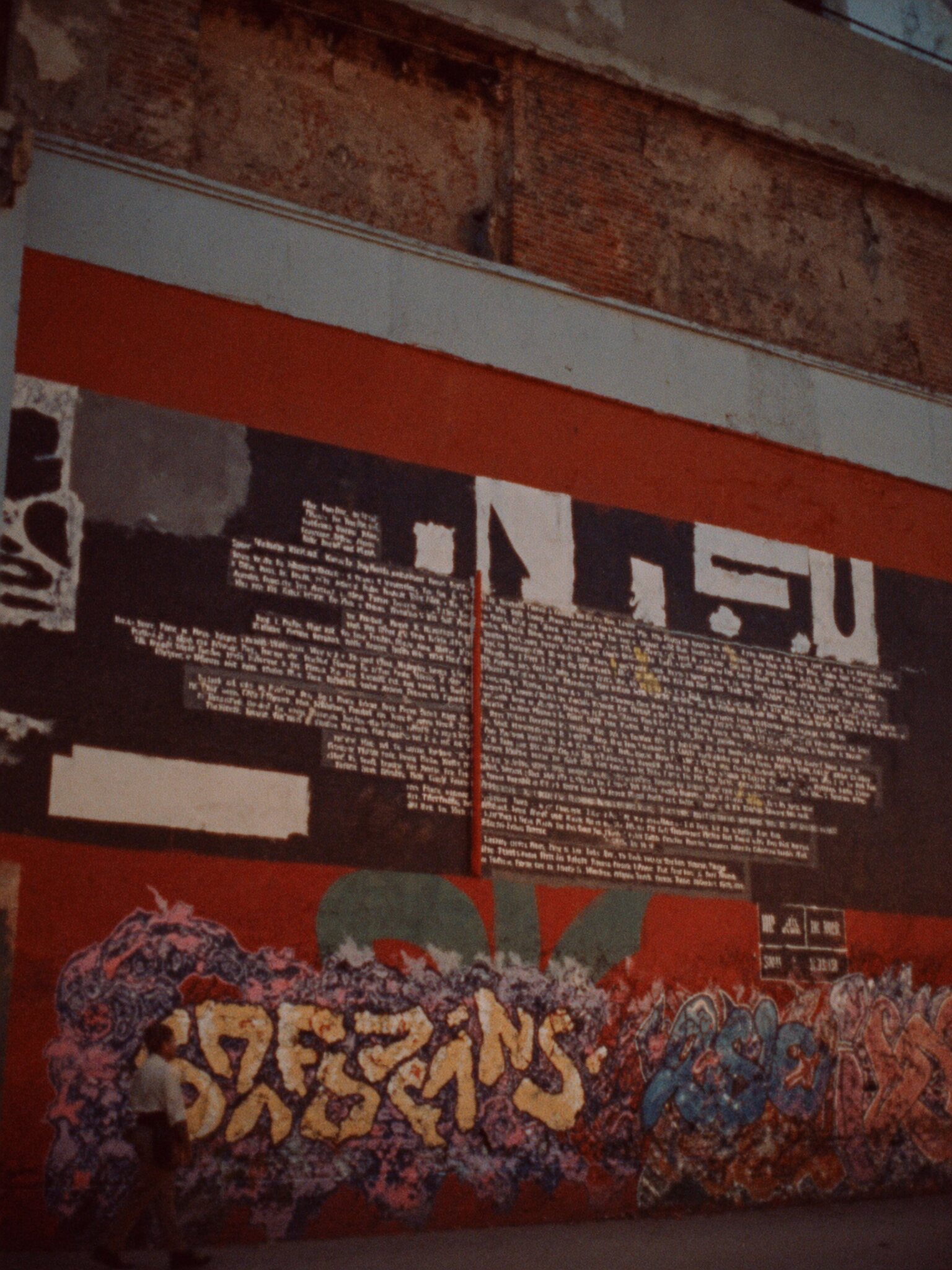 Paredes que hablan
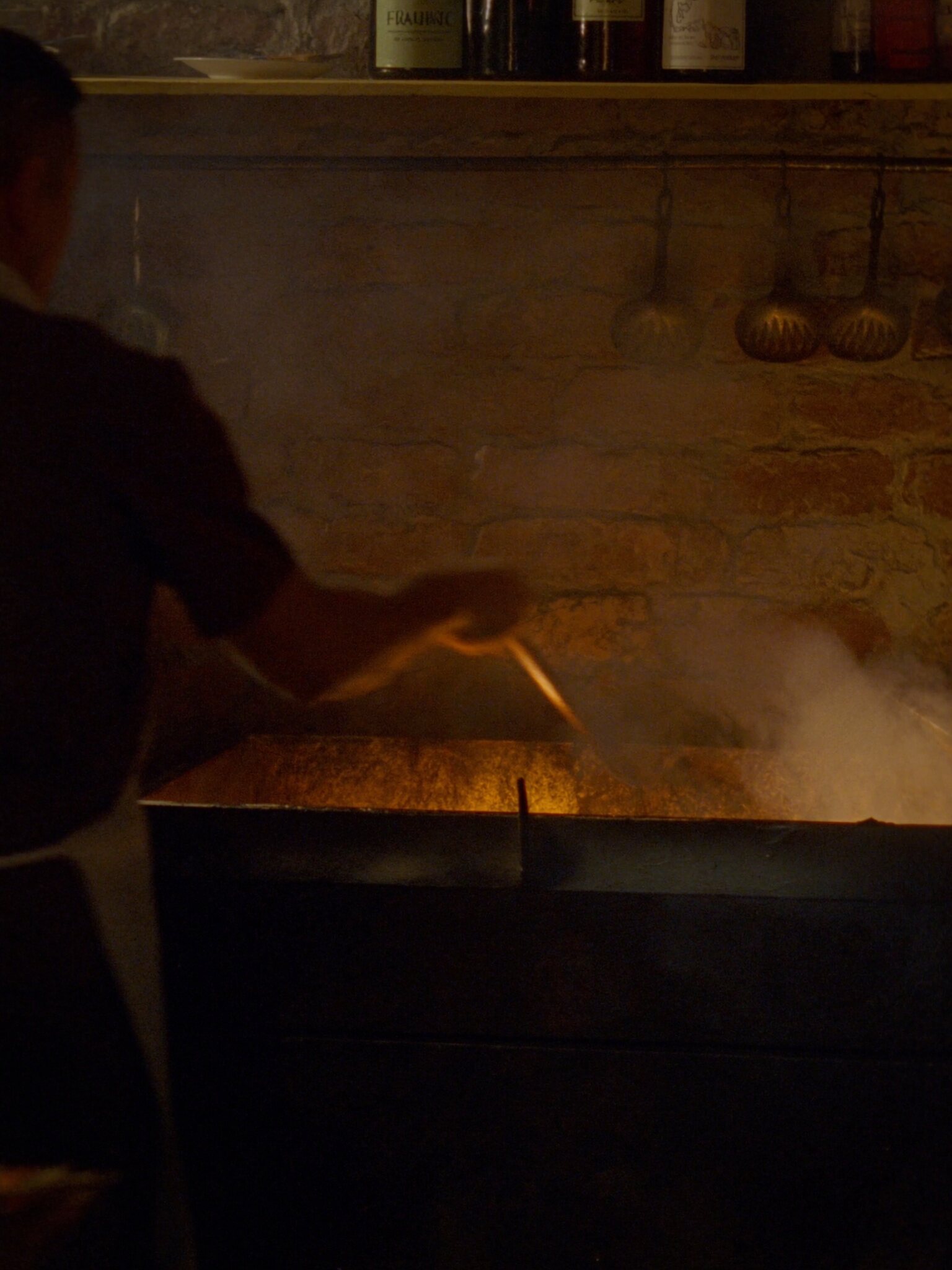 El fuego, atendido
✳︎ ✳︎ ✳︎
Every tour ends at a table nobody wants to leave.
Before you ask
Questions, answered.
We know this city well enough to have answers.
Is a food tour in Buenos Aires actually worth it?
If you want to eat a lot in a short time, no — Buenos Aires makes that easy on its own. If you want a shortcut to eating like someone who lives here, or you're up for making a few new friends along the way and learning to read what actually makes a place good here, that's exactly what this is.
Who is this for — and who shouldn't come?
It's for people looking to experience Buenos Aires rather than just visit — and want to eat well without gambling on the wrong place during their time here. If you're looking for the most reviewed places, you'll be fine without us — honestly.
How much do we actually eat?
Enough that dinner afterwards is not a question you'll be asking. Come hungry. That part of the tagline is not decorative.
What does the night feel like?
Less like a tour, more like being taken out by friends who happen to work in the city's food scene. Small group, chosen stops, zero clipboard energy.
I have dietary restrictions. Problem?
Tell us when you book. Gluten-free alternatives are available at most stops, but no kitchen on the tour is a certified gluten-free environment — cross-contamination from shared fryers and prep surfaces is a real possibility.
Reserve
Pick a date. Come hungry.
Seats are limited because the tables are real.
Secure checkout by Bokun — opens right here, no redirect
Contact
Questions before booking?
Write to us. We’ll get back to you within a day.